Understanding your daily protein requirement is the first step to eating smarter and feeling stronger. High protein Indian foods aren’t just gym talk—they’re everyday fuel your body loves! They help build muscles, boost energy, and support glowing skin and balanced hormones. Whether you’re starting your health journey or looking for budget-friendly ways to add more protein to your plate, this guide offers smart tips, easy choices, and delicious Indian recipes.
Daily Protein Requirement & Why Your Body Needs Protein
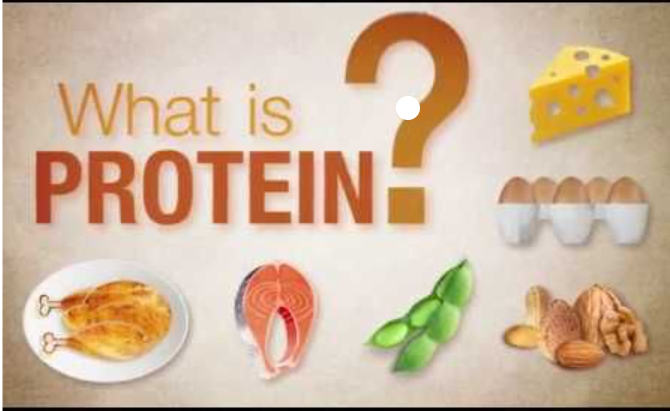
Daily protein requirement is very essential for being healthy and
Proteins is a vital macronutrient composed of amino acids, often referred to as the building blocks of life. It plays a central role in cell repair, muscle growth, hormone regulation, and immune function.
https://www.betterhealth.vic.gov.au/health/healthyliving/protein
Health Benefits of Protein
- Muscle repair and growth
- Enzyme and hormone production
- Immune system support
- Hair, skin, and nail health
Daily Protein Requirement by Activity Level : How Much Do You Need
Your daily protein requirement depends on your weight, activity level, age, and health goals.
Here’s a daily protein requirement Chart:
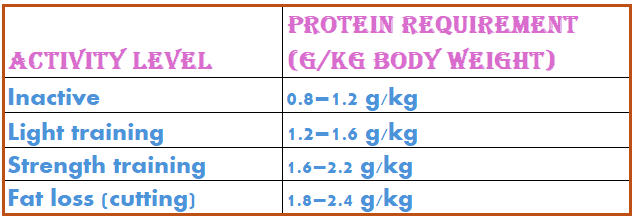
Example: A person weighing 70 kg doing regular strength training would need around 112–154g of protein daily.
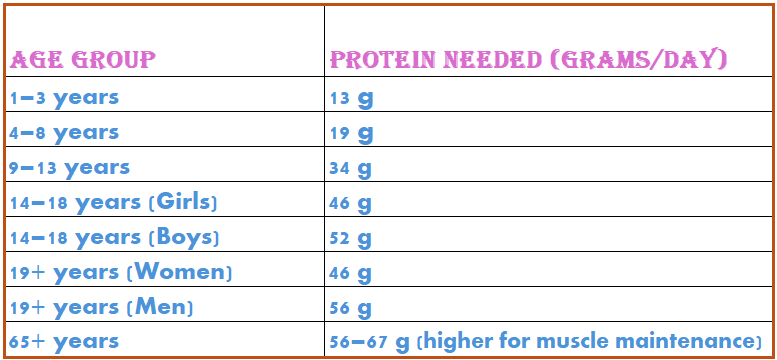
Daily Protein Requirement by Age: Intake Chart for All Groups
Budget-Friendly Protein Sources
High protein Indian foods help maintain energy levels, support metabolism, and keep you feeling full longer, making it a key player in weight management.
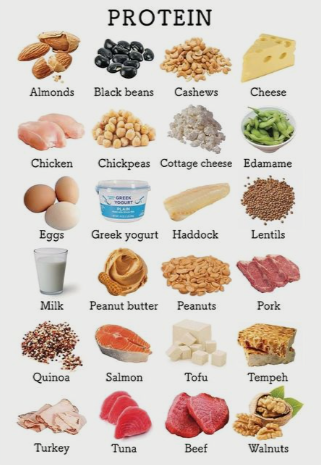
Here are Budget-friendly protein sources for muscle building:
Animal-Based high protein foods
- Eggs (6g per egg)
- Chicken thighs (28g per 100g)
- Tinned Fish (20–25g per serving)
- Cottage cheese (23g per cup)
- Greek yogurt (10g per 100g)
Plant-Based high protein foods
- Protein Rich Seeds (9g per ½ cup cooked)
- Chickpeas (15g per cup cooked)
- Soya beans (8g per 100g)
- Peanuts (25g per 100g)
- Rajgira (Amaranth flour) (8-9g per cup cooked)
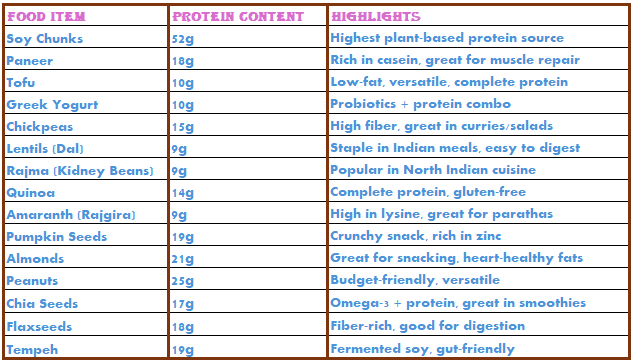
High protein Indian foods – Vegetarian
Here’s a power-packed list of protein-rich vegetarian foods that are popular in Indian diets (Per 100g)
High Protein Indian Recipes for Budget-Friendly Meals
Indian cuisine offers plenty of high-protein options that are both delicious and easy to prepare. Here are the easy five Indian protein recipes to try:
1. Moong Dal Chilla with Paneer
- Soak moong dal, blend with spices, and cook like a pancake.
- Add grated paneer for extra protein.
- Each serving offers ~20g protein.
2. Chana Masala
- Cooked chickpeas in a spicy tomato-onion gravy.
- Serve with whole wheat roti.
- 100g of chana = ~19g protein.
3. Palak Paneer
- Spinach and paneer cooked in aromatic spices.
- Rich in calcium and protein.
- One bowl = ~18g protein.
4. Rajgira Paratha
- Mix amaranth flour with mashed potatoes and spices.
- Cook on a tawa with ghee.
- High in protein and fiber.
5. Dahi Chana Salad
- Boiled black chana tossed with curd, cucumber, and spices.
- A refreshing, protein-rich snack.
Protein Powder Side Effects
Do You Really Need Protein Powder – Not Always
Protein Powder are convenient, especially for:
- Athletes or bodybuilders
- People with limited time or appetite
- Vegans struggling to meet protein needs
However, for most people, the whole food is sufficient. Natural sources like eggs, lentils, and dairy offer protein along with fiber, vitamins, and minerals, something powders often lack.
Overconsumption of protein powders can have some side effects:
- Digestive Discomfort – Bloating, gas, constipation, or diarrhea
- Lactose intolerance can worsen symptoms if using milk-based powders
- Soy-based powders may contain phytoestrogens that mimic estrogen, potentially affecting hormone balance
- In men, excess soy intake has been linked to reduced libido and enlarged breast tissue
- Over consumption of protein intake increases urea production, which can stress kidneys over time
- Excess use of protein without exercise may lead to liver inflammation
- Some powders contain heavy metals like lead, arsenic, or mercury due to poor manufacturing practices – These can accumulate and pose long-term health risks
- Whey protein may interfere with medications like osteoporosis drugs, NSAIDs, and blood thinners
- Acne may be triggered by increased IGF-1 hormone from whey protein
- Hair loss linked to elevated testosterone and DHT levels from certain protein types
- Powders with added sugars or excess calories can lead to fat gain if not balanced with activity
How to Use Protein Powder Safely
- Choose reputable brands with third-party testing
- Opt for plant-based options if you’re lactose intolerant or sensitive
- Stick to recommended serving sizes
- Use supplements to fill gaps, not replace whole foods
Smart Protein Habits for Beginners
- Start with whole foods: Eggs, lentils, paneer, and curd are excellent.
- Distribute protein across meals: Aim for 20–30g per meal.
- Don’t overdo supplements: Use only if dietary intake falls short.
- Track your progress: Use apps or journals to monitor protein and calorie intake.
- Explore Indian recipes: They’re flavorful, nutritious, and protein rich.
Whether you’re cooking on a budget or just starting your fitness journey, understanding your protein needs and making smart choices can transform your health—one meal at a time.
Want to Learn more about fitness follow https://glowfitliving.com